Blog 1: What does Brain Development have to do with Sustainability?
Understanding the inseparable connection between child development and sustainable futures
By now you know we like to explore sustainability from many different angles, and this one is important! This might not be what you anticipated.
We're going to talk about brain architecture. About attachment patterns. About the first 2,000 days of life. About how neural connections form and what shapes them.
And you might reasonably wonder: what does any of this have to do with sustainability?
Everything, as it turns out.
The Connection Most People Miss
Here's what we've learned from decades of research across developmental psychology, environmental education, and neuroscience: sustainability isn't primarily about environmental knowledge or behaviours. It's about how humans develop their capacity to care about and engage with the world.
The same developmental period that shapes how children think, feel, and relate to people also shapes how they think, feel, and relate to the planet.
They're not separate processes. They're the same process, viewed from different angles.
Why This Matters
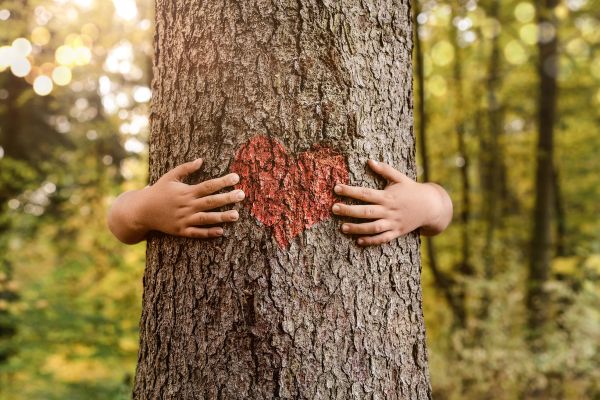
Between birth and age eight, children are building the foundational architecture that supports (or limits) their capacities for the rest of their lives. During these same years, they're forming their fundamental relationship with nature and developing the foundations of environmental consciousness.
The child developing secure attachment, emotional regulation, and empathy is simultaneously developing their capacity to care about living things beyond themselves. The child building executive function and problem-solving skills is simultaneously developing capacities needed to engage with complex sustainability challenges.
These aren't parallel developments. They're integrated. You cannot optimise human development without nature connection, and you cannot build environmental stewardship without the cognitive, emotional, and social capacities that develop during the early years.
What This Means for Early Childhood Education
Sustainability education isn't about adding environmental topics to early childhood programs. It's not about teaching four-year-olds about climate change or having preschoolers sort recycling.
It's about understanding that the same critical window when children's brains, relationships, and capacities are forming is also when their relationship with nature and the planet is taking shape.
Consider what research tells us:
From child development: The first 2,000 days are when brain architecture forms most rapidly. Over one million neural connections per second are being created. Early experiences can literally become embedded in biology. The quality of relationships during this period shapes stress response systems, emotional regulation, and social competence for decades.
From environmental psychology: Early and middle childhood is a critical period for developing connections with nature. Childhood experiences in nearby nature can predict adult environmental attitudes and behaviours more strongly than environmental education received later.
These aren't competing priorities. They're the same priority.
You can't effectively address sustainability without understanding child development. And you can't understand what's happening in early childhood without considering both human and planetary futures.
Our Approach
This series explores sustainability through a developmental lens because that's what the research shows actually works.
Not teaching abstract environmental problems to young children (which creates anxiety rather than engagement). Not adding sustainability activities on top of everything else educators are already doing.
Instead, we're exploring how the work early childhood educators already do—supporting optimal development during the critical window—is simultaneously the most powerful sustainability work possible.
In this series, we'll explore three interconnected questions:
Question 1: Why do the early years matter for general child development? We'll examine the first 2,000 days when brain architecture, attachment, and lifelong capacities form most quickly. This isn't background information. It's the foundation for understanding why sustainability education must be developmentally grounded.
Question 2: Why does this timeframe matter for sustainability? We'll discover that early childhood is when children form lifelong connections to the planet. These experiences predict sustainability values and behaviours decades later.
Question 3: Why are early childhood educators essential to both? Because you work at the extraordinary intersection where human development and sustainable futures meet during the most powerful window that exists.
The Same Story, Different Angles
We begin with child development, not as a detour from sustainability, but as the essential foundation for understanding why early childhood matters so profoundly for sustainable futures.
Like a river red gum whose first seasons determine whether it will thrive for 500 years, the grounding years determine what becomes possible across entire lifetimes—for both human potential and planetary stewardship.
You cannot separate these trajectories. The child developing optimally is simultaneously developing the capacities sustainability requires. The educator supporting child development is simultaneously shaping sustainable futures.
This series explores both because they're actually the same story.
This is the introduction to our Series The First 2,000 Days: Building Brain Architecture and Sustainable Futures exploring why the early years matter for both human development and sustainable futures, and why early childhood educators are essential to both.


