Why Place Matters: Discovering Sustainability in Your Own Backyard
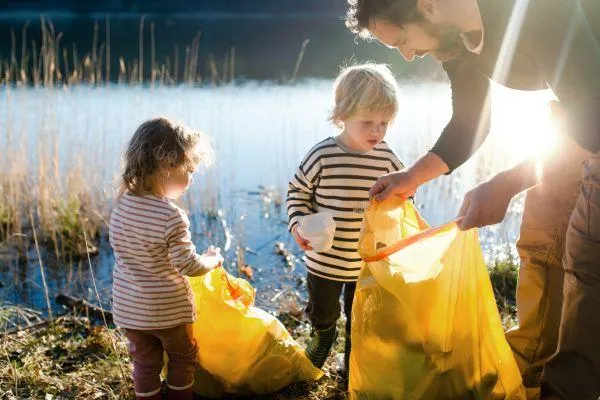
Sustainability becomes real when it connects to the places children know. Not abstract concepts about faraway ecosystems, but the creek behind the service, the trees in the carpark, the birds that visit the backyard each morning.
When sustainability is grounded in place, it stops being another curriculum requirement and becomes lived experience. Children don't just learn about caring for environments—they care for their environment, these plants, this patch of ground.
The Difference Place Makes
Think about the difference between reading a book about coral reefs and noticing that the puddle in your playground is shrinking. Both might prompt questions about water, but only one connects to something children can observe, touch, and influence.
Place-connected sustainability means starting with what's right here:
The weather patterns children experience throughout the year
The native plants growing nearby (or the weeds pushing through concrete)
The insects, birds, and animals that share the local area
The ways people in the community care for or impact their surroundings
This doesn't mean every service needs a bush kindy program or access to wilderness. It means recognising that every place has a story, and sustainability learning deepens when children become part of that story.
Learning to See Your Place
Many educators tell us they feel their location lacks interesting natural features. 'We're just in the suburbs,' they say, or 'We don't have access to nature.'
But every place has more happening than we initially notice. The key is learning to look.
Start with observation: What lives here? Not just obvious animals, but insects, spiders, birds. What plants grow without being planted? What changes with the seasons?
Consider history: Whose land is this? What did this place look like before buildings were here? What stories do local elders or long-time residents tell about changes they've observed?
Notice patterns: Where does water flow when it rains? Where does the wind come from? Which areas get sun in the morning, and which stay shaded all day? Where do people gather, and where do they avoid?
Identify connections: Where does your water come from? Where does waste go? What food is grown nearby? Who looks after the parks, streets, or public gardens?
🔍 These questions help you see your place more clearly. They also model the kind of noticing you want children to develop.
Children as Place Researchers
When children investigate their local environment, they're not just learning about sustainability, they're building a relationship with their place. This relationship shapes how they see their role in caring for it.
A group of children noticing that the garden bed stays muddy after rain might investigate where the water comes from, whether plants need that much water, and what happens when soil gets too wet. Their investigation is grounded in direct observation, not handed down as information.
Another group might become interested in the birds that visit each morning. They notice patterns: which birds arrive first, what they eat, where they prefer to perch. Over time, children develop knowledge about these specific birds in this specific place.
This is sustainability education at its most powerful. Not teaching children that birds need habitat, but supporting them to notice, wonder about, and care for the birds right here.
Five Foundation Questions
These questions can guide place-connected sustainability in any service:
1. What lives here? Investigate plants, animals, and insects sharing your environment. Document what children discover over time.
2. What changes here? Notice seasonal shifts, weather patterns, and how the environment responds to rain, sun, or wind.
3. Who cares for this place? Recognise both human and non-human contributions. Who plants, weeds, waters? What role do worms, bees, or birds play?
4. What stories belong to this place? Learn about Traditional Custodians, local history, and how the place has changed over time.
5. How do we belong here? Consider your service's role in the local environment. What impact do you have? How might children contribute to care?
These questions work equally well in urban centres, suburban services, and regional communities. The answers will differ, but the process of inquiry remains the same.
Practical Steps Forward
You don't need to overhaul your program to make sustainability more place-connected. Start with small, consistent practices:
Regular observation walks: Visit the same outdoor space weekly and document what changes. Let children lead the noticing.
Invite local knowledge: Connect with Traditional Custodians, environmental groups, or long-time residents who can share knowledge about your area.
Document children's questions: When children ask about something they've noticed in the environment, treat it as the beginning of investigation, not a prompt for quick answers.
Use local materials: Incorporate leaves, bark, stones, or other natural items from your area into play spaces and creative activities.
Build rituals of care: Establish routines that connect children to daily or seasonal care of your place—watering plants, checking on habitats, or observing weather.
Reflection for the Year Ahead
As 2025 closes, consider how your service might deepen connection to place in the coming year:
What aspects of your local environment could become ongoing focuses for investigation?
Which community members or organisations might support place-connected learning?
How could you make children's growing knowledge of place visible to families?
What routines or practices might help children see themselves as belonging to, not just visiting, this place?
Place-connected sustainability doesn't add to your workload. It focuses the work you're already doing, anchoring it in something real, local, and meaningful to children.
Take Action: Download the Place Connection Guide for reflection prompts and practical ideas to ground sustainability in your local environment. Access the Guide here.
Continue the conversation - check out Part 2 of our podcast conversation series Reflect Reconnect and Reimagine here 👉 Why Place Matters: Discovering Sustainability in Your Own Backyard


